Gwalior Fort: Defense in Depth, Strategic Foresight, and Organizational Resilience
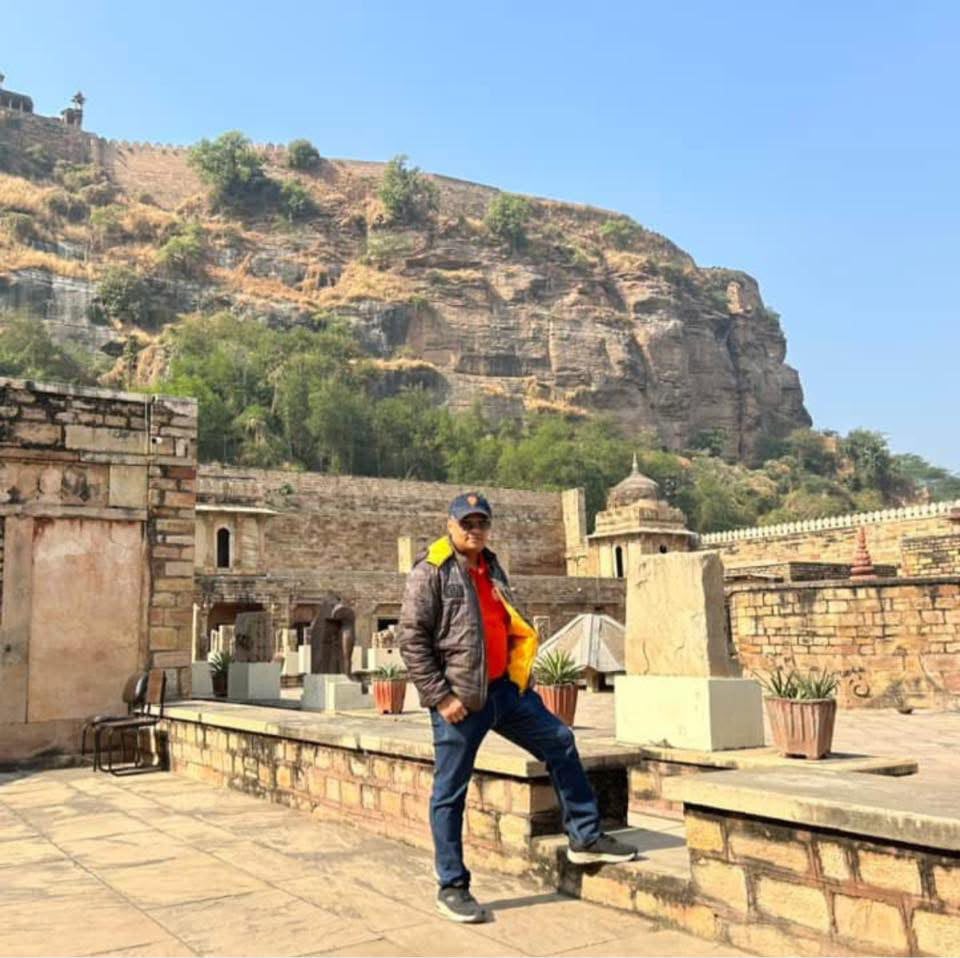
Towering on a steep sandstone hill above the plains of Madhya Pradesh, Gwalior Fort has repelled invaders and anchored empires for over a thousand years. Babur called it "the pearl among fortresses of Hind." For modern organizational strategists, it is an epic case study in defense-in-depth and sustainable infrastructure.
"A fortified hill is meaningless without internal water reserves and unified troops. True resilience prepares for long sieges long before the first storm gathers."
1. Multi-Tiered Defense Architectures
Gwalior's steep winding approach is guarded by six massive gates—including the Alamgiri, Hindola, and Hathi Pol. Each gate represents a friction point designed to slow attackers, expose vulnerabilities, and allow defense commanders to adapt their countermeasures.
In corporate risk management, single points of failure spell catastrophe. Robust enterprises implement layered security, diversified supply chains, and multi-checkpoint governance to cushion unexpected market shocks.
2. Resource Self-Sufficiency: The Water Systems
What allowed Gwalior to endure months of siege was not merely stone walls, but ingenious deep water reservoirs (Johila, Suraj Kund, and Sas Bahu tanks) carved into the rock plateau.
- Resource Planning: Anticipating operational droughts before they manifest.
- Internal Sustainability: Ensuring team morale and vital resources remain intact under intense external pressure.
3. Harmony in Command: The Legacy of Tansen
At the base of the fort lies the tomb of Mian Tansen, the legendary maestro of Akbar's court. The coexistence of military fortification and sublime musical mastery illustrates that strength without cultural soul turns brittle. Great leaders build resilient walls to protect creative exploration.