Khajuraho Temples: Holistic Leadership and the Art of Organizational Harmony
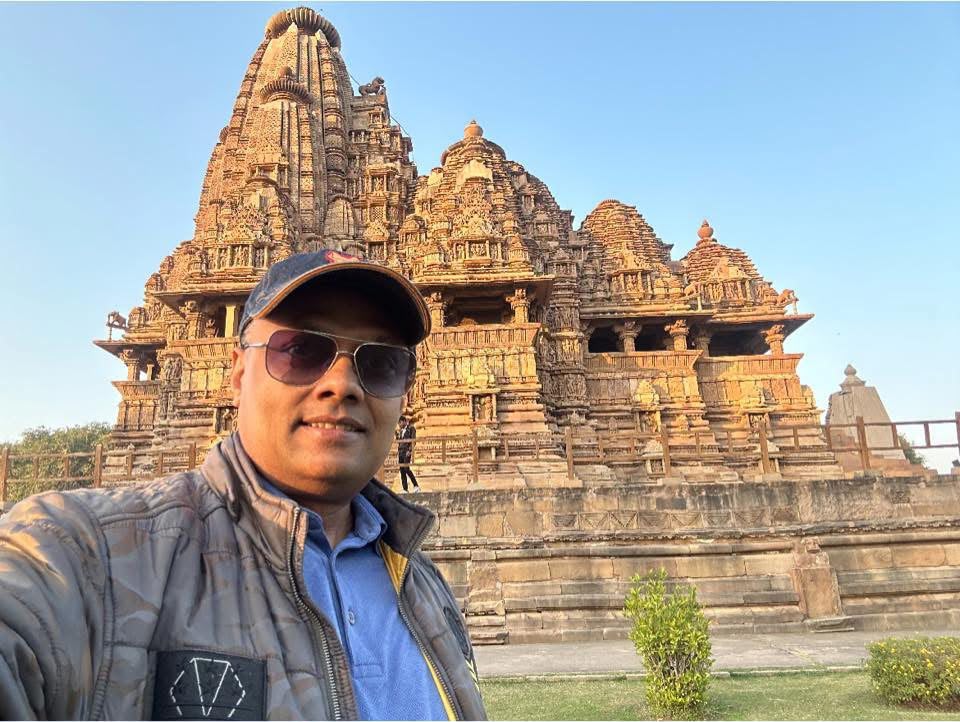
The temples of Khajuraho stand as an enduring testament to artistic mastery, engineering brilliance, and balanced living. Perched under the vast skies of Madhya Pradesh, these 10th and 11th-century Chandela dynasty monuments are globally celebrated for their intricate sculpture. Yet, beyond the celebrated sensuality, they offer profound mentorship in holistic leadership.
"True excellence in leadership emerges when we embrace wholeness, not silos. The sculptors of Khajuraho did not separate the spiritual from the worldly; they elevated both into a single architectural rhythm."
1. Integrating Creativity and Discipline
In modern corporate environments, organizations frequently pit creative exploration against operational discipline. Khajuraho disproves this false dichotomy. Each carved frieze is mathematically aligned with the temple's sacred geometry. The balance achieved here proves that when disciplined systems provide a rock-solid foundation, human creativity can flourish without chaos.
- Strategic Alignment: Connecting overarching purpose with daily craftsmanship.
- Interdisciplinary Synergy: Uniting stone carvers, astronomers, and philosophers into one cohesive guild.
- Attention to Detail: Every minute carving supports the grand spiritual vision of the shikhara.
2. Breaking Down Organizational Silos
Just as the master sculptors harmonised the celestial, the human, the martial, and the spiritual into a continuous narrative, modern executives must integrate diverse teams. Siloed departments breed friction and stagnant thinking. By embracing the full spectrum of human experience—empathy, ambition, analytical rigor, and creative intuition—leaders build resilient cultures capable of self-renewal.
3. The People-Centric Innovation Model
The artisans of Khajuraho understood that stone endures only when imbued with authentic human feeling. When we craft organizational strategies, we must ask: Does our architecture elevate the human beings within it? When strategy aligns with genuine human purpose, our organizations become monuments of sustained impact.